
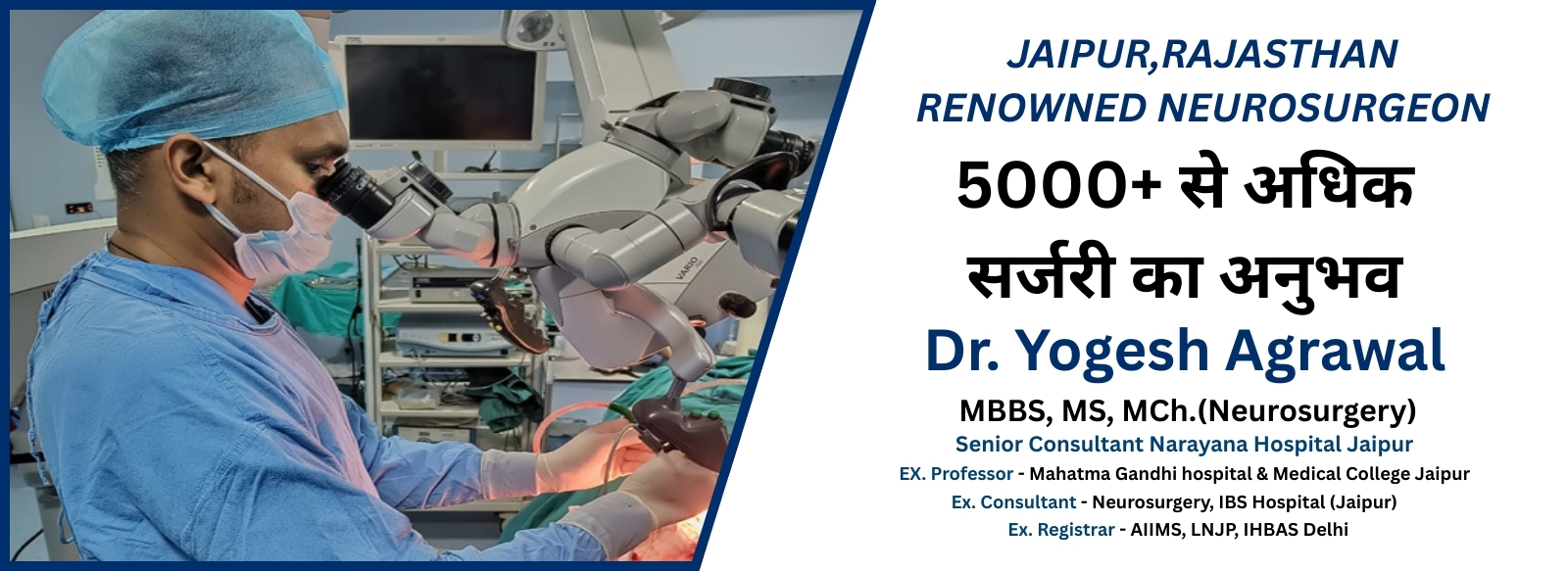

Brain
Expert Hands for Delicate Minds. Innovating Brain Care for a Better You Our Brain Specialist combines years of expertise with modern diagnostic technology to deliver accurate treatment and faster recovery.

Spine
The spine is the body’s central support system, giving structure, balance, and flexibility to every movement. It protects the spinal cord—your body’s main communication highway—carrying signals between the brain and the rest of the body.
Your Health Deserves Expert Care — Schedule Now.
Your health is our priority. Dr. Yogesh Agrawal, one of Jaipur’s leading neurosurgeons, offers expert consultation and advanced treatment for all brain and spine disorders.
Make an AppointmentDR. Yogesh Agrawal
Neurosurgeon - Jaipur
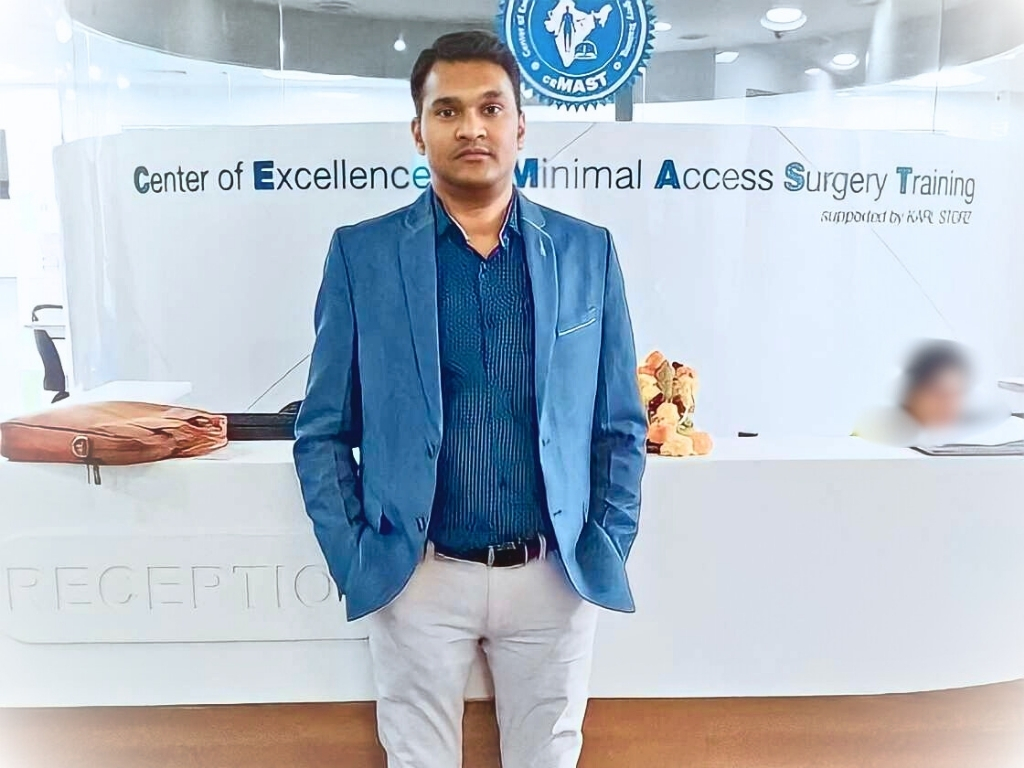
SENIOR - CONSULTANT NARAYANA HOSPITAL
MBBS, MS, MCh (Neurosurgery)
Dr. Yogesh Agrawal, MBBS, MS (General Surgery), MCh (Neuro Surgery), is a distinguished Neurosurgeon based in Jaipur with more than 10 years of expertise in performing advanced microscopic and endoscopic brain and spine surgeries
Over the course of his career, Dr. Agrawal has successfully conducted more than 5,000+ complex neurosurgical procedures. His areas of expertise include the management of Brain & Spine Tumor, Brain and Spine Tuberculosis, Head & Spinal Injuries, Spinal Tumors, Nerve Disorders, Stroke Surgery, Hydrocephalus, Pituitary Tumors, Trigeminal Neuralgia, Congenital Anomalies in Children, , Lumbar Disc Prolapse, Cervical Disc Disorders, and CV Junction Anomalies ,Brachial Plexus Surgery. Renowned for his clinical excellence and dedication to patient care, Dr. Yogesh Agrawal is regarded as one of the leading neurosurgeons in Jaipur, Rajasthan.
Recognized as one of the finest neurosurgeons in Jaipur, Rajasthan for his expertise, precision, and patient care.
5000+
Complex Neurosurgical Procedures
9+
Experience Post Mch
Multiple
Awards
15+
Paper in Various National and International Journals
Disease
Contact us for the following Disease:

Brain & Spinal Tumor
Brain & Spinal Tumors are abnormal growths that develop within the brain or spinal cord, affecting vital functions and nerve communication. Early diagnosis and advanced surgical care can greatly improve outcomes and quality of life.

Head & Spinal Injury
Head & Spinal Injuries can cause serious damage to the brain, nerves, or spinal cord, leading to loss of movement or sensation. Prompt medical care and expert neurosurgical treatment are crucial for recovery and preventing long-term complications.

Lumbar Disc Surgery
Lumbar Disc Surgery is performed to relieve pressure on spinal nerves caused by herniated or damaged discs in the lower back. It helps reduce pain, numbness, and weakness, restoring mobility and improving quality of life..

Cervical Spondylosis
Cervical Spondylosis is a degenerative condition affecting the neck’s spinal discs and joints, often caused by aging or wear and tear. It can lead to neck pain, stiffness, and nerve compression, requiring timely medical evaluation and treatment.

Pituitary Tumor
A Pituitary Tumor is an abnormal growth in the pituitary gland that can affect hormone production and overall body function. With timely diagnosis and advanced surgical techniques, most pituitary tumors can be effectively treated and managed.

Epilepsy Surgery
Epilepsy Surgery aims to control or eliminate seizures by removing or altering the area of the brain where seizures begin. It is recommended for patients who do not respond to medication, offering a chance for improved quality of life and independence.

CV Junction Surgery
CV Junction Surgery focuses on correcting abnormalities at the craniovertebral junction—the area where the skull meets the spine. It helps relieve compression on the brainstem and spinal cord, restoring stability and preventing neurological complications.

Stroke Surgery
Stroke Surgery is performed to restore blood flow or remove clots and bleeding in the brain, preventing further damage. Early intervention can save brain function and significantly improve recovery outcomes.

Brain Aneurysm
A Brain Aneurysm is a balloon-like bulge in a blood vessel of the brain that can rupture and cause serious bleeding. Early detection and surgical or endovascular treatment are essential to prevent life-threatening complications.

Brain Hemorrhage
Brain Hemorrhage is bleeding within or around the brain caused by ruptured blood vessels, head injury, or high blood pressure. Prompt diagnosis and surgical care are crucial to stop bleeding, relieve pressure, and prevent permanent brain damage.

Trigeminal Neuralgia
Trigeminal Neuralgia is a severe facial pain condition caused by irritation or compression of the trigeminal nerve. It leads to sudden, sharp, electric shock-like pain, and can be effectively managed through medication or minimally invasive surgery.

Endoscopic Surgery
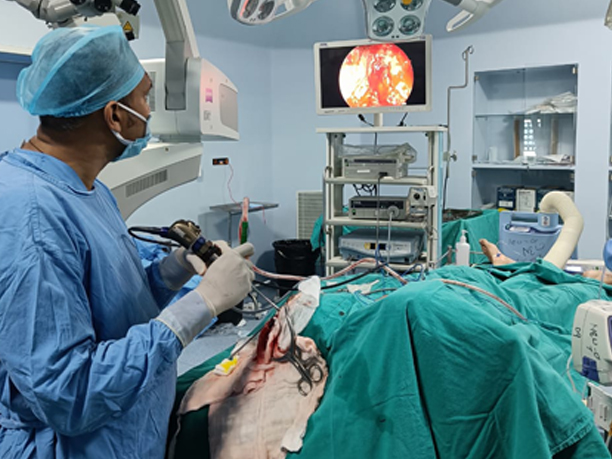
Endoscopic Surgery is a modern, minimally invasive technique that uses a small camera and instruments to operate through tiny openings. It offers greater precision, reduced pain, minimal scarring, and faster recovery compared to traditional surgery.

Congenital Anomalie
Congenital Anomalies are birth defects that affect the structure or function of the brain, spine, or other organs. Early detection and specialized treatment can help manage these conditions and improve a child’s growth and quality of life.

Endoscopic (ETV)
Endoscopic Third Ventriculostomy (ETV) is a minimally invasive neurosurgical procedure used to treat hydrocephalus—a condition where excess cerebrospinal fluid (CSF) builds up inside the brain.

Peripheral Nerve Disorder
Nerve Disorders affect the brain, spinal cord, or peripheral nerves, leading to symptoms like pain, weakness, or loss of sensation. Early diagnosis and specialized neurological care are essential for effective treatment and recovery.

Meningomyelocele
Meningomyelocele is a type of spinal birth defect where the spinal cord and its coverings protrude through an opening in the spine. Early surgical correction is crucial to prevent infection, protect nerve function, and improve mobility outcomes.

Parkinson
Parkinson’s Disease is a progressive neurological disorder that affects movement, causing tremors, stiffness, and slowed motion. While there is no cure, medications and advanced therapies can greatly help manage symptoms and improve quality of life.

Functional surgery
Functional Surgery is performed to improve or restore the function of the nervous system in conditions like Parkinson’s disease, epilepsy, or movement disorders. It helps control abnormal nerve activity, reducing symptoms and enhancing the patient’s daily living quality.

Cubital Tunnel Syndrome
Cubital Tunnel Syndrome is a condition caused by increased pressure or stretching of the ulnar nerve at the elbow. This nerve controls movement and sensation in the ring and little finger. When compressed, it can lead to pain, numbness, and weakness in the hand and forearm.
MAKE AN APPOINTMENT
Connecting You to Better Health — One Appointment Away.
Blogs
Your health is your greatest wealth — protect it today.
Complex Brain & Spinal Surgery
Complex Brain and Spinal Surgery involves advanced neurosurgical procedures performed to treat critical conditions affecting the brain, spine, and nervous system. These surgeries are often required for tumors, vascular disorders, trauma, congenital malformations, spinal instability, or degenerative diseases.
With the help of modern technology such as high-resolution MRI, CT scans, neuronavigation, and microsurgical techniques, surgeons can perform these procedures with greater accuracy and safety. The goal is to remove disease, relieve pressure on nerves, restore function, and improve quality of life while minimizing risk and recovery time.
Modern neurosurgical centers are equipped with state-of-the-art technologies like intraoperative MRI, CT navigation, neuronavigation, endoscopy, and microsurgical instruments that help surgeons operate with unmatched accuracy. In addition, intraoperative neuromonitoring ensures that vital nerve functions are continuously observed during surgery to minimize the risk of complications.
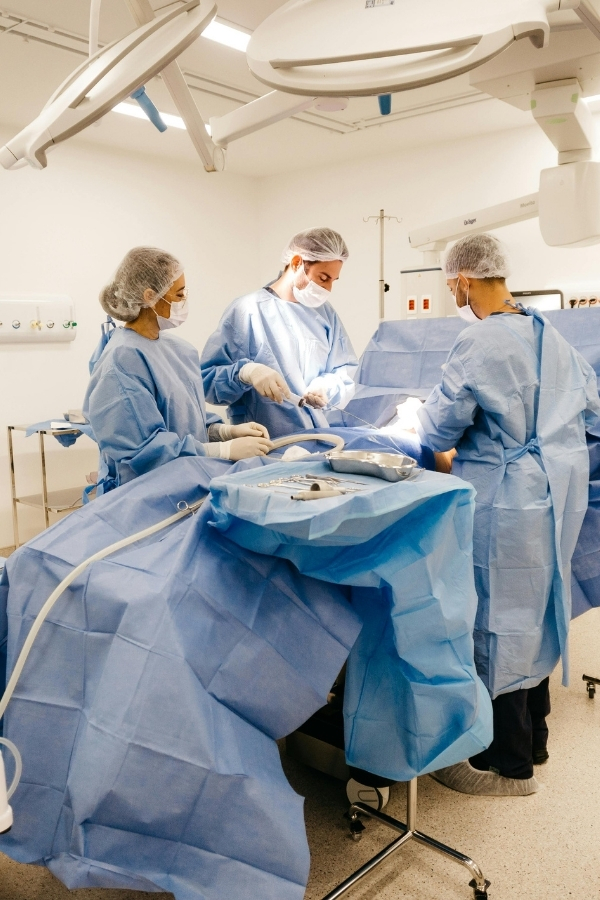
CV Junction Surgery
Craniovertebral (CV) Junction Surgery is one of the most intricate and delicate areas of neurosurgery, focusing on the region where the skull base meets the upper cervical spine (C1–C2 vertebrae). This junction plays a vital role in supporting the head, enabling neck movements, and protecting critical neural structures such as the brainstem, spinal cord, and vertebral arteries.
When disorders occur in this area, they can lead to serious neurological complications. These conditions may be congenital (present from birth), such as basilar invagination, atlantoaxial dislocation, or Chiari malformation, or acquired, due to trauma, infection, arthritis, or tumors. Such problems can compress the spinal cord and brainstem, causing symptoms like neck pain, weakness in arms or legs, imbalance, swallowing difficulty, and even breathing issues.
With timely diagnosis, meticulous surgical technique, and modern technology, patients experience significant improvement in pain relief, neurological function, and overall quality of life. Would you like me to now create this in a hospital-branded version (for example, “At Raghuraj Hospital, Jaipur, our neurosurgical team specializes in advanced CV Junction Surgery…”)? It would sound more professional for a website or brochure.
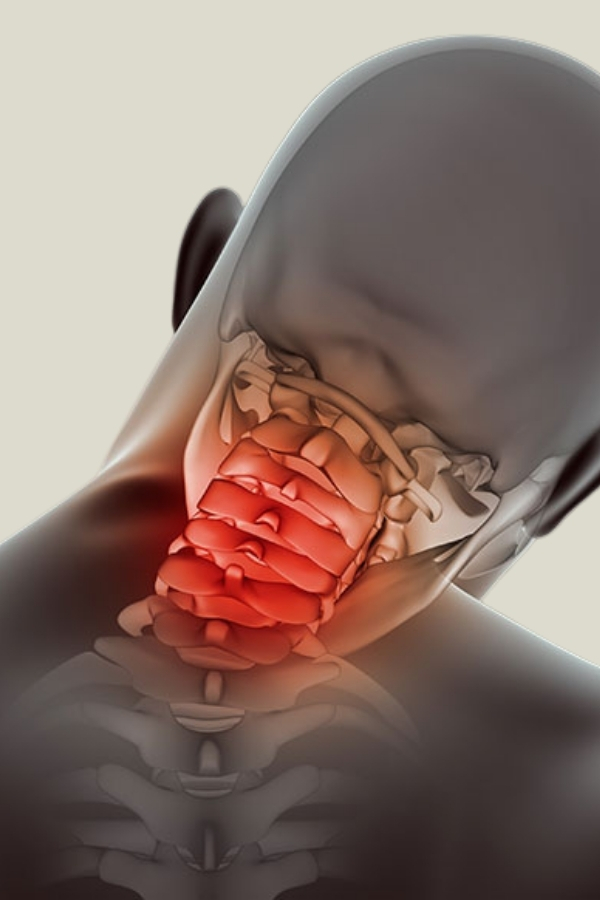
Congenital Disorder of Child
Congenital disorders, also known as birth defects, are structural or functional abnormalities that develop during pregnancy and are present at birth. These conditions can affect various parts of the body, including the brain, heart, spine, limbs, or other organs. Some congenital disorders are mild and easily treatable, while others may be complex and require long-term medical care or surgical correction soon after birth.
The causes of congenital disorders are often multifactorial, involving a combination of genetic factors, environmental exposures, infections during pregnancy, nutritional deficiencies, or certain medications. Early detection through prenatal screening and ultrasound plays a vital role in identifying these conditions and planning appropriate treatment before or immediately after delivery.
With advances in neonatal and pediatric care, many children born with congenital disorders can now lead healthy and fulfilling lives. Specialized teams of pediatric surgeons, neonatologists, neurologists, and rehabilitation experts work together to provide comprehensive care — from diagnosis to surgery and long-term follow-up. Timely intervention, parental support, and continuous medical supervision are key to improving the child’s quality of life and developmental outcomes.
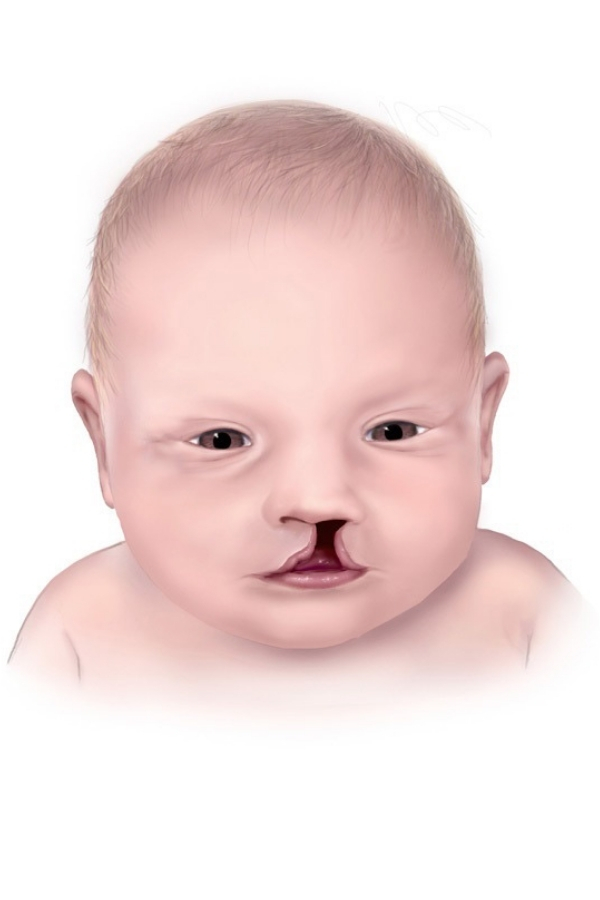
Epilepsy Surgery
Epilepsy surgery is a highly specialized neurosurgical procedure performed to control or eliminate seizures in patients whose epilepsy cannot be managed effectively with medications. It aims to remove or disconnect the area of the brain where seizures originate, while preserving vital brain functions such as speech, memory, and movement. This type of surgery offers hope and improved quality of life for patients who suffer from frequent and disabling seizures.
Before considering surgery, patients undergo a detailed evaluation that includes EEG monitoring, MRI, PET scans, neuropsychological testing, and video telemetry to precisely identify the seizure focus. A multidisciplinary team of neurologists, neurosurgeons, neurophysiologists, and psychologists work together to ensure the best possible outcome with minimal risk.
There are different types of epilepsy surgeries such as temporal lobectomy, lesionectomy, corpus callosotomy, and vagus nerve stimulation (VNS). The choice of procedure depends on the cause and location of the seizure activity. With the help of advanced technology like intraoperative neuronavigation, electrocorticography, and minimally invasive approaches, modern epilepsy surgery has become safer and more effective, allowing many patients to live seizure-free and lead independent, productive lives.

Pain Disorder
Pain disorders refer to chronic or persistent pain conditions that continue even after the original injury or illness has healed, or occur without a clear physical cause. Unlike temporary pain, which serves as a warning sign of injury, pain disorders involve long-term discomfort that can affect daily activities, sleep, mood, and overall quality of life. These disorders may involve the nervous system, muscles, joints, or internal organs, and can be both physically and emotionally distressing.
Common types of pain disorders include chronic back pain, neuropathic pain, migraine, fibromyalgia, complex regional pain syndrome (CRPS), and musculoskeletal pain. The causes may include nerve damage, inflammation, trauma, or psychological stress. Pain can be constant, intermittent, sharp, or dull, and often interferes with work, relationships, and mental health if not treated properly.
Management of pain disorders requires a multidisciplinary approach that combines medical, physical, and psychological care. Treatment may include medications, nerve blocks, physiotherapy, behavioral therapy, and advanced pain management techniques such as spinal cord stimulation or minimally invasive interventions. With proper diagnosis and individualized treatment, most patients can achieve significant relief, regain function, and improve their overall well-being.

Nerve Disorder
Nerve disorders, also known as neurological or neuropathic disorders, occur when the nerves that carry messages between the brain, spinal cord, and the rest of the body become damaged or malfunction. These conditions can affect sensation, movement, coordination, and various body functions. Depending on which nerves are affected — brain, spinal, or peripheral — the symptoms can range from mild tingling to severe weakness or paralysis.
Common nerve disorders include neuropathy, sciatica, facial palsy, carpal tunnel syndrome, multiple sclerosis, Guillain-Barré syndrome, and peripheral nerve injuries. Causes may include diabetes, infections, autoimmune diseases, trauma, or compression of nerves. Patients often experience symptoms such as numbness, burning pain, muscle weakness, imbalance, or loss of reflexes, which can interfere with daily activities and reduce quality of life.
Treatment of nerve disorders focuses on identifying and addressing the underlying cause, relieving pain, and improving nerve function. Modern treatment options include medications, physiotherapy, nerve decompression surgery, electrical nerve stimulation, and rehabilitation therapy. Early diagnosis and proper management by a neurologist or neurosurgeon can significantly improve recovery and prevent long-term complications.

Head & Spinal Injury
Head and spinal injuries are among the most serious forms of trauma, often resulting from accidents, falls, sports injuries, or violence. These injuries can affect the brain, skull, spinal cord, or vertebrae, leading to temporary or permanent neurological problems. The brain and spinal cord form the central nervous system — the control center for all body functions — so any damage to them requires immediate medical attention.
Head injuries can range from mild concussions to severe traumatic brain injuries (TBI). Symptoms may include headache, vomiting, confusion, memory loss, loss of consciousness, or seizures. Spinal injuries, on the other hand, can cause neck or back pain, loss of sensation, weakness, or paralysis, depending on the level and extent of damage to the spinal cord. Early diagnosis through CT and MRI scans, along with prompt neurosurgical care, is critical to prevent further damage.
Treatment of head and spinal injuries involves a multidisciplinary approach, including emergency care, neurosurgery, intensive monitoring, and rehabilitation. Surgical intervention may be needed to relieve pressure, repair fractures, or stabilize the spine. After stabilization, patients undergo physiotherapy and neurorehabilitation to regain strength, mobility, and independence. With timely and specialized care, many patients achieve significant recovery and return to active, productive lives.
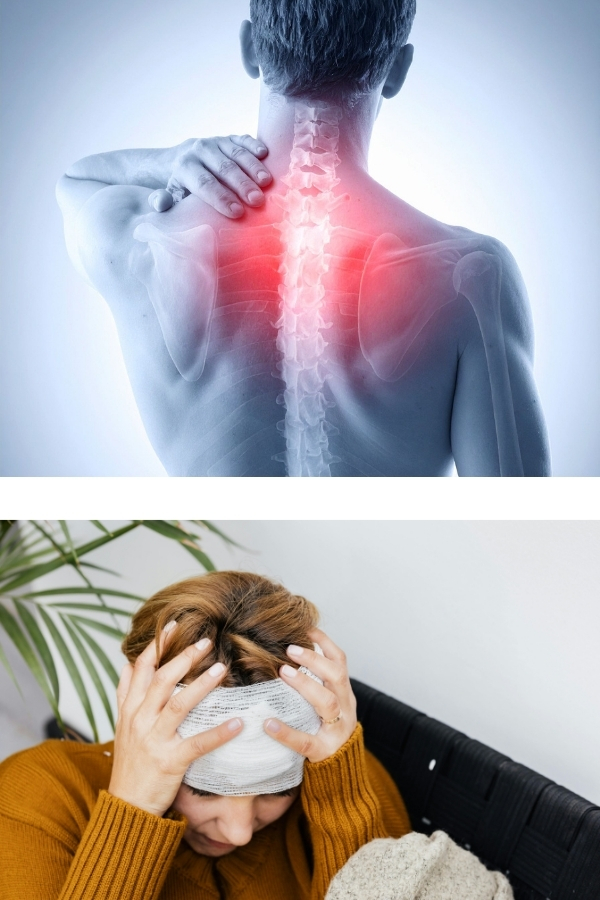
Functional Disorder
Functional disorders are medical conditions in which patients experience real and distressing symptoms, but no clear structural or organic cause can be found through routine tests or scans. These disorders arise from problems in how the nervous system or body functions, rather than from physical damage or disease. The body’s normal processes become disrupted, leading to symptoms that affect movement, sensation, or organ function.
Common examples include functional neurological disorder (FND), irritable bowel syndrome (IBS), fibromyalgia, chronic fatigue syndrome, and non-epileptic attacks. In neurological cases, patients may experience weakness, tremors, seizures, or sensory changes, even though the brain and nerves appear normal on imaging. These symptoms are genuine and can greatly impact daily life, often triggered or worsened by stress, trauma, or psychological factors.
Management of functional disorders requires a comprehensive and empathetic approach. Treatment focuses on symptom control, psychological therapy, physiotherapy, and lifestyle modification. Collaboration between neurologists, psychiatrists, and rehabilitation specialists helps patients understand their condition, regain control of symptoms, and improve quality of life. With proper care and reassurance, many individuals can achieve significant recovery and return to normal activities.
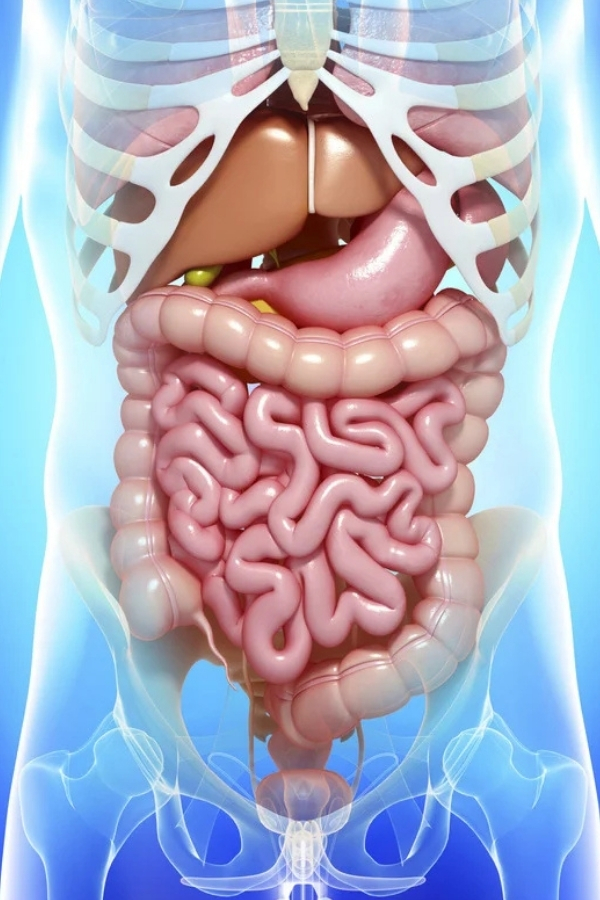
Trigeminal Neuralgial
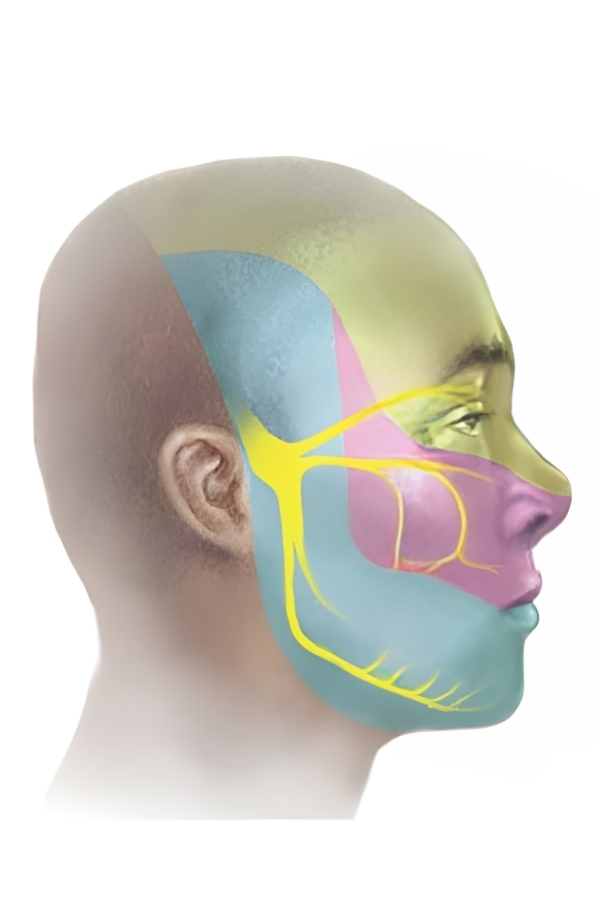
Trigeminal Neuralgia (TN) is a chronic pain disorder that affects the trigeminal nerve, which carries sensations from the face to the brain. It is often described as one of the most severe forms of facial pain, characterized by sudden, sharp, electric shock-like episodes on one side of the face. Even mild stimulation from everyday activities — such as brushing teeth, eating, talking, or touching the face — can trigger intense pain attacks.
This condition usually occurs when the trigeminal nerve becomes compressed or irritated, often by a nearby blood vessel or, in some cases, due to multiple sclerosis, tumors, or nerve injury. Trigeminal Neuralgia is more common in adults over 50 but can affect people of any age. The pain typically lasts from a few seconds to a couple of minutes but can occur repeatedly throughout the day, severely affecting quality of life.
Treatment focuses on relieving pain and addressing the underlying cause. Initial management includes anti-seizure medications, nerve pain drugs, and muscle relaxants. For patients who do not respond to medicines, advanced surgical options such as Microvascular Decompression (MVD), Radiofrequency Rhizotomy, or Stereotactic Radiosurgery (Gamma Knife) are highly effective. With expert neurosurgical care and proper follow-up, most patients achieve long-term pain relief and can return to normal daily activities.
Spine
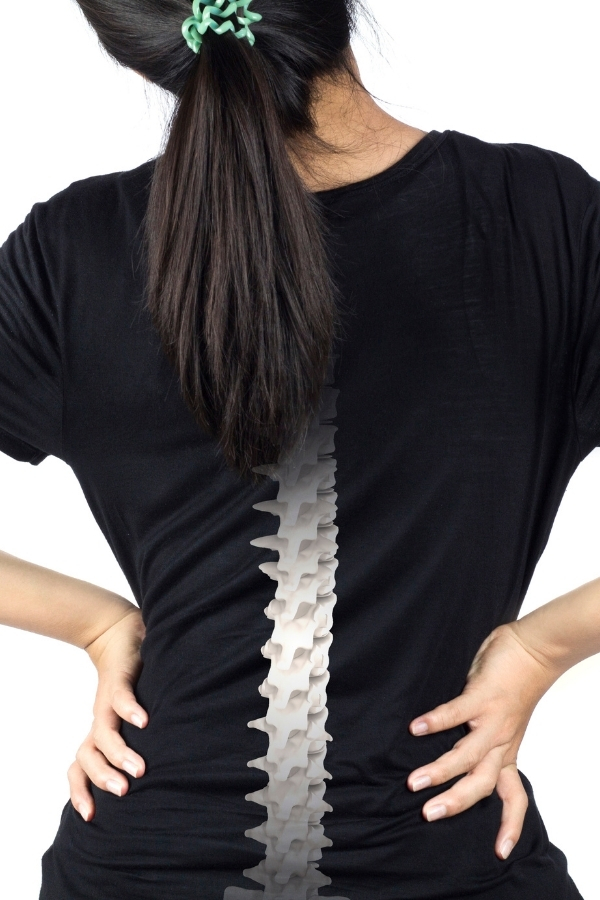
The spine, also known as the vertebral column or backbone, is one of the most vital structures in the human body. It provides strength, support, and flexibility, allowing us to stand upright, move, and perform daily activities. The spine also protects the spinal cord, a delicate network of nerves that carries messages between the brain and the rest of the body — controlling sensation, movement, and reflexes.
The spine is made up of 33 vertebrae, divided into cervical (neck), thoracic (mid-back), lumbar (lower back), sacral, and coccygeal regions. Between these vertebrae are intervertebral discs that act as cushions, absorbing shock and enabling smooth motion. Problems in any part of the spine can cause pain, stiffness, or nerve compression leading to symptoms like numbness, weakness, or radiating pain to arms or legs.
Common spinal disorders include slipped disc, spinal stenosis, scoliosis, spondylosis, fractures, infections, and spinal tumors. Treatment options range from medications, physiotherapy, and pain management to advanced minimally invasive spinal surgeries such as decompression, fusion, and disc replacement. With modern diagnostic imaging and microsurgical techniques, spinal care aims to restore mobility, relieve pain, and improve quality of life while minimizing recovery time.
Testimonials
We always provide very good treatment to our patients, we give an unbreakable trust.
"Very qualified and Dedicated Doctor With Best Diagnosis and Treatment.

Ankit Nandwanai
Patient
"i book online appointment, he gave proper time to understand my disease, and suggested much clear. Such a nice doctor with human being."
Surendra Gupta
Patient
"Very Good services, Highly recommended for neuro related problems. I appreciate their efforts."
Devendra Mahawar
Patient
"I got a accident, after accident i was unable to walk properly because of back pain. when i consult to dr yogesh he treated very well. now i am okey thanks to dr yogesh. "
Nimesh Saini
Patient
"Behaviour was very good, staff also treated well, best patient care doctor. "
Vinita Jain
Patient
"You are doing great job, energetic surgeon, always ready to help people suffering from money and treat accordingly. "
Suresh Nama
Patient
Gallery
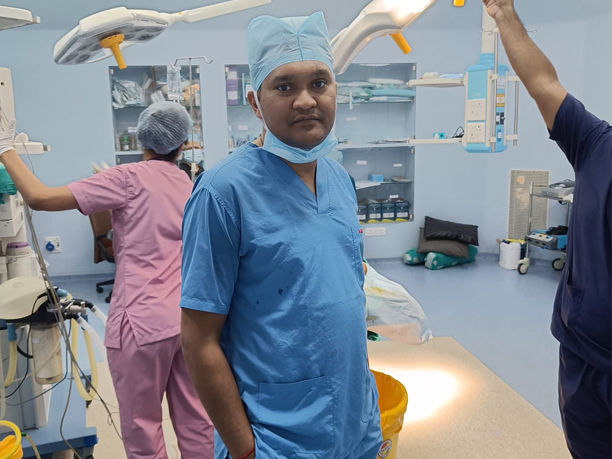
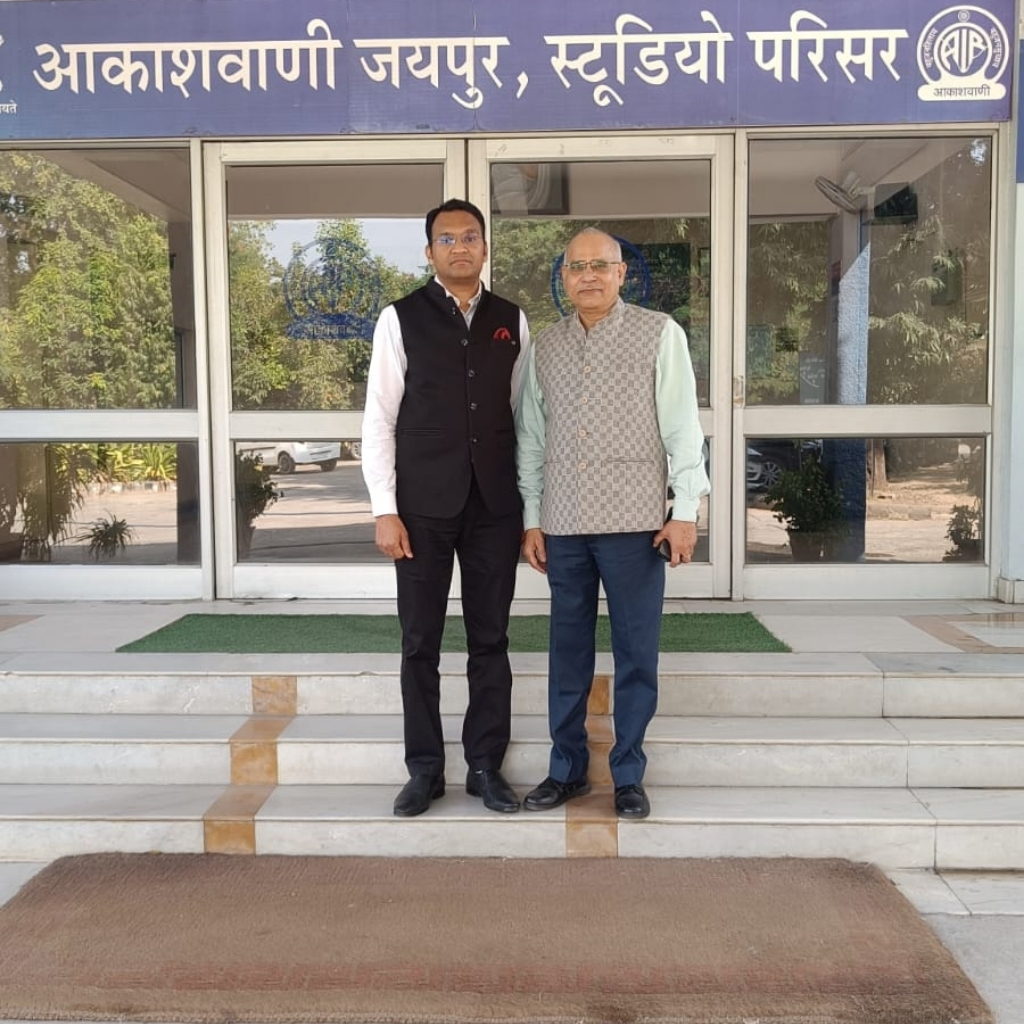
A Glimpse into Our Journey of Excellence
Awards
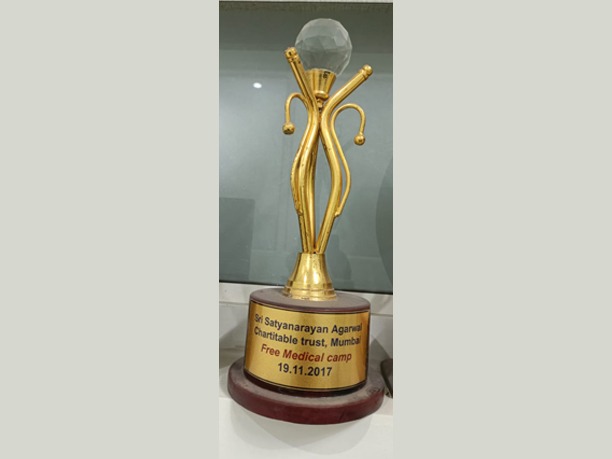
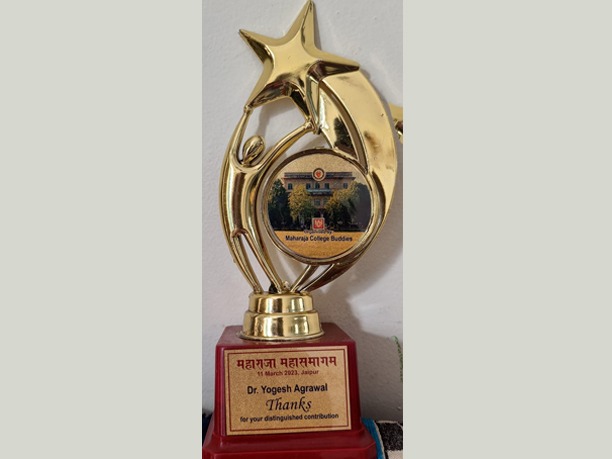
Awards Reflecting Our Dedication to Healing



Video
Transformation That Speaks for Itself.
Contact
Connect with Us for Appointments & Queries
Address
Sector-18, 0pp Ayush Market, near RUHS hospital, Pratap Nagar, Jaipur, India, Rajasthan
Call Us
9116581802
Email Us
agrawaly_2k@yahoo.co.in